How to Tell if There's Mold in Your Walls? 8 Common Signs
According to Statistics Canada, mold or fungi are present in 13% of Canadian homes. The slightest water damage can attract mold, which quickly flourishes as soon as moisture persists on the walls, floors, and other surfaces of your home. Most building materials such as drywall and wood, when in contact with water, provide the ideal environment for mold proliferation.
Even if mold is not always dangerous, you absolutely must solve the problem quickly. Why? Mold can cause structural damage to your home and harm your health. This is why you need to monitor for all signs of mold and take appropriate action. This article explains how to tell if there's mold in your walls and how to spot the common signs of mold in your home.
Key Takeaways
- •Mold inside walls is often invisible but detectable by a persistent musty odor and recurring water stains.
- •Common mold symptoms include respiratory irritation, headaches, fatigue, and allergic reactions that worsen at home.
- •Preventing mold growth requires humidity control (30-50%), proper ventilation, and quick repair of water leaks.
- •If you suspect mold presence, a professional test and remediation are recommended to protect your health and home.
How to Tell if There's Mold in Your Walls?
Mold presence inside walls is often difficult to detect because it develops inside drywall, behind wallpaper, or under paneling. Mold spores spread through the air and can cause health problems before you even notice visible signs. To know if you have mold inside your walls, watch for these indicators: a persistent musty odor, water stains that reappear after cleaning, peeling wallpaper, or warping wood planks. Water infiltration, plumbing leaks, and ventilation problems are the main causes of mold growth inside walls. If you suspect mold presence, a professional mold test can confirm hidden mold by analyzing the air or surfaces.
1. You see mold spores or similar visible signs of mold
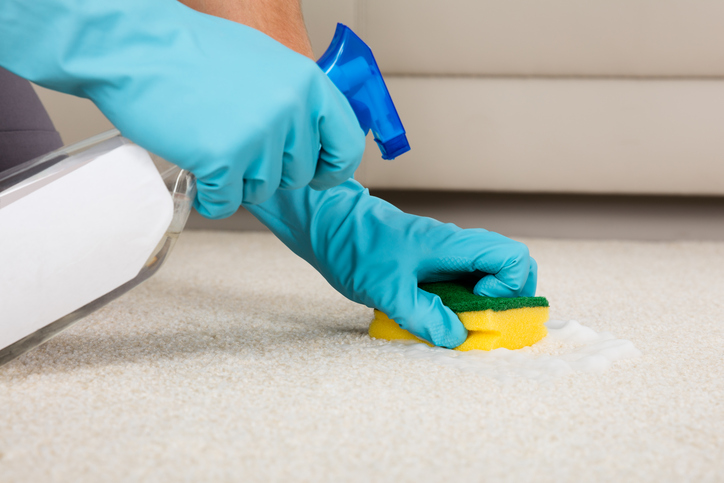
The clearest sign that you have a mold infestation in your home is, of course, seeing it. There is a downside to this, however. If you already see a ton of visible mold in your home, it is likely that the problem is much more serious than you think. Visible mold spores are just the tip of the iceberg. This is a problem you cannot solve by scrubbing with soap and a sponge. So, what should you do? The best solution is to consult a reputable mold remediation company, or an expert for this type of problem who will help you understand what may have been the initial cause.
2. A strange odor emanates from your air conditioning or heating
A subtle sign of mold is a foul odor in your HVAC system. Standalone air conditioning units are particularly prone to mold. This is because they are dark, damp, and often exposed to warm temperatures. Mold thrives in humid, dark places. How can you keep mold out of your AC? One solution is to avoid placing the unit in a closet or heated basement in winter, as this could encourage mold growth. Also ask an HVAC specialist to check the system regularly.
3. A musty smell in the air
You've cleaned the house, steamed the curtains, taken out the trash, and had your heating and air conditioning system's ventilation ducts cleaned, but there's still a stale smell in your home. What could be the problem? Chances are it's mold. Since different species of mold have different odors, it can be difficult to pinpoint the particular smell. If it's an unusual smell for a living space, call a specialist to investigate.
4. You have flu-like symptoms or a cold that won't go away
Flu symptoms could, of course, be the result of a virus. But if you find that you have a perpetually runny nose or keep sneezing at home, this could be one of the sneaky signs of mold at home. But how can you be sure if the illness is mold-related? Try leaving your home for several days. If the symptoms disappear and return when you come home, it is very likely that you have a mold problem. Try to observe if your flu symptoms seem to worsen each time you spend time in a specific part of your home, for example the basement and laundry room.
5. There is dark grout between your shower tiles
Another great idea on how to test for mold is to inspect the grout between your tiles next time you take a shower. What does it look like? If it's dark, there's probably mold. The good news with this type of mold is that it is often harmless. The only exception is recent flooding in an adjacent room or a leak in your bathroom plumbing. In such a case, the type of fungus you are dealing with is probably the toxic type. How do you deal with toxic mold? It is best to let professionals handle this. You can also send a sample of the mold to be tested to check if your shower is safe.
6. You often have nosebleeds
Many people sometimes have nosebleeds. Usually, people don't suspect that mold is making them sick in their living spaces. But if the frequency of your nosebleeds has recently increased, it is likely that your home is infested with mold. Of course, it is always good to consult your doctor to rule out any other potential culprits, especially when nosebleeds are chronic.
7. You keep feeling itchy
What is the connection between mold and the persistent itching you've been experiencing recently? Well, everyone knows that mold can grow on the surface of their home, but few people realize that it is also capable of infesting their clothes. Mold thrives in damp areas and can perfectly infest damp bathroom rugs. If you also like to dry your laundry indoors, you expose them to mold formation. Mold on the fibers of your clothes could cause the itching. So, how do you deal with the problem? The best solution is to dry wet clothes as quickly as possible. Also avoid accumulating damp towels in your bathroom.
8. Your breathing problems have mysteriously worsened
The majority of household mold species do not bother people without respiratory problems. However, they can worsen the condition of people already suffering from respiratory illnesses. For example, mold can trigger an asthma attack and worsen your condition. So, how do you handle the situation? First, make an appointment with your doctor to rule out other possible causes of your worsening condition. If the cause is unclear, consider an air and mold analysis.
Health Effects of Mold: Symptoms to Know
Mold exposure can cause various symptoms, especially in sensitive people or those with respiratory problems. Common mold symptoms include: eye, nose, and throat irritation, persistent cough, wheezing, frequent headaches, unexplained fatigue, and allergic reactions. If you notice these symptoms worsen when you're at home and improve when you leave, mold in your home is likely the cause. Mold can develop in damp areas like basements, bathrooms, kitchens, and crawl spaces. Mold can trigger asthma attacks and worsen existing conditions. If symptoms persist, consult a doctor and have your home inspected by a professional remediation service.
How to Prevent Mold Growth in Your Home
The best way to fight mold is to prevent it from appearing. Here are some essential tips: maintain indoor humidity between 30% and 50%, use exhaust fans in bathrooms and kitchens, open windows regularly for ventilation, repair any water infiltration quickly, ensure proper ventilation in crawl spaces and attics, and regularly clean your ventilation ducts. Damp areas like bathrooms, laundry rooms, and basements need special attention. If you've already had a mold problem, make sure the area was properly dried and treated to prevent mold proliferation. For more serious cases, call a professional decontamination service to eliminate mold at the source and treat affected areas.
Services connexes
- Décontamination et nettoyage après sinistre — Faites appel à nos experts pour éliminer la moisissure à la source.
- Nettoyage de conduits de ventilation — Assurez une bonne qualité d'air en nettoyant vos conduits.
- Nettoyage pour immeubles, condos et copropriétés — Protégez votre immeuble contre la prolifération des moisissures.