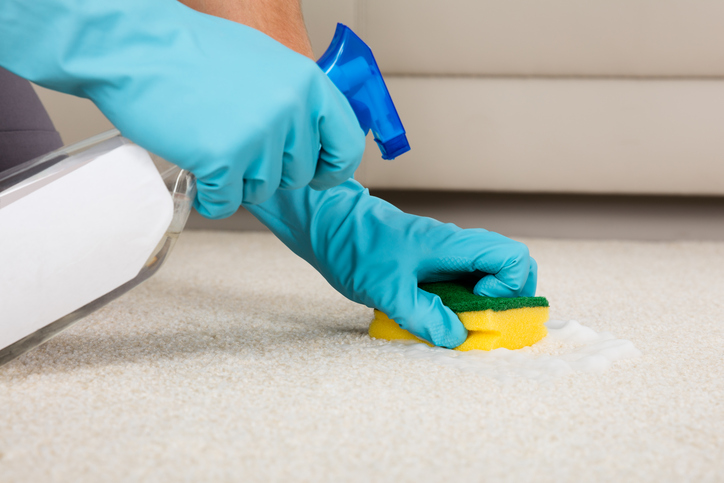
Anti-allergen carpet cleaning: eliminate allergens and relieve asthma
Key takeaways
- •Carpets trap dust mites, pollen and pet dander, the main triggers of allergies and asthma.
- •Steam cleaning (hot water extraction) kills dust mites and removes allergens in depth.
- •A domestic vacuum only removes surface dirt; professional equipment traps microscopic allergens.
- •Have your carpets professionally cleaned at least once a year, and 3 to 4 times if you suffer from asthma or allergies.
- •Hiring an expert carpet cleaner guarantees better indoor air quality.
If you suffer from asthma or allergies, you know how much a simple carpet can aggravate your symptoms. Carpets and air ducts are the biggest reservoirs of allergens in the home.
Fortunately, professional anti-allergen carpet cleaning removes most of the allergens trapped in the fibers and improves your indoor air quality.
Why do carpets aggravate asthma and allergies?
The fibers of your carpet act like a filter: they trap everything that circulates in the air of your home. Over time, they accumulate an impressive amount of allergens, including dust mites and their droppings, pet hair and dander, pollen brought in from outside, mold spores, as well as dust and fine particles. Every step on the carpet puts these allergens back into the air, which is why sensitive people see their asthma and allergy symptoms worsen at home.
Common sources of allergens in your carpets
Outdoor pollen from bushes, trees and flowers is carried inside by clothing, shoes or air currents. Combined with indoor allergens — mold, dust mites, pet dander and moths — it weakens the immune system. Over time, these allergens accumulate in upholstery, bedding and carpets, causing chronic allergies in people who live or work in this environment.
Is steam cleaning effective against dust mites?
Steam cleaning (hot water extraction) is one of the most effective methods for removing embedded allergens. The heat kills dust mites and dissolves allergens, while the suction removes them deep from the fibers. Unlike a domestic vacuum, which only removes surface dirt, deep cleaning reaches the base of the carpet, where dust mites and their droppings accumulate.
💡 Tip :
For best results, combine steam cleaning with a professional solution adapted to the type of fibers in your carpet.
Which product to use? Natural solutions and old-fashioned recipes
If you prefer to maintain your carpets yourself between professional cleanings, here are a few natural solutions to reduce allergens: baking soda (sprinkle it, leave for one hour, then vacuum to neutralize odors and loosen dust), diluted white vinegar (light spraying to sanitize the fibers without harsh chemicals) and home steam cleaning (which reduces surface dust mites, without matching the efficiency of professional equipment).
💡 Tip :
For a wool carpet, avoid overly aggressive products: wool requires a gentle cleaner and fast drying to prevent mold.
DIY or professional cleaning?
Vacuuming yourself only removes dirt, dust and debris present on the surface. It does not permanently eliminate microscopic allergens that are too small to be captured by standard filters. On the other hand, industrial vacuums and stain removal solutions used by professionals are extremely effective at reducing allergens in your carpets. Specialized equipment is designed to trap particles and limit allergen exposure during the cleaning process.
Benefits :
Professionals also use organic, chemical-free solutions that are effective at removing hidden dust, stains and allergens in a single operation, without releasing volatile organic compounds (VOCs).
How often should you have your carpets cleaned?
The type of fiber plays a role: synthetic fibers (polypropylene, olefin, nylon) are naturally resistant to mold and cause fewer reactions. As a general rule, every household should have its carpets cleaned at least once a year. In the presence of smokers, pets or people with asthma or allergies, deep cleaning three to four times a year is recommended.
💡 Tip :
A professional can determine the ideal cleaning frequency after a visit, based on the type of carpet and the composition of your household.
Tips to prevent allergens from building up daily
To maintain a healthy environment and prevent allergens from building up, vacuum your carpets at least twice a week with a vacuum equipped with a HEPA filter. Wash upholstery, curtains and bedding regularly, and also clean padded furniture and mattresses, which retain dust mites. Finally, control the humidity in your home to prevent mold.
The certifications that make the difference
To choose the best anti-allergen carpet cleaning company, check its certifications. If it offers air duct cleaning, make sure it is NADCA certified. Also look for IICRC (Institute of Inspection, Cleaning and Restoration Certification) certification. Finally, ask whether the HEPA filters are certified by the Asthma and Allergy Foundation of America.
Call on experts
For effective anti-allergen carpet cleaning, choose an experienced company like Royal Nettoyage. Our professional cleaners use the latest techniques and equipment to reduce allergens and improve your indoor air quality. After our intervention, you will immediately notice an improvement in the cleanliness of your carpets and the quality of the air.
Related articles
To deepen your knowledge of carpet maintenance and indoor air quality:
- →professional carpet cleaning
Discover our hot water extraction services for deep cleaning.
- →5 carpet cleaning methods used by pros
The most common techniques for cleaning your floors.
- →air duct cleaning: when and why
Your air ducts are also major reservoirs of allergens.
- →NADCA certification
What NADCA certification guarantees for air quality.
- →furniture and mattress cleaning
Also remove allergens from your sofas and mattresses.
For a professional service, contact Royal Nettoyage!
Get a free quote